
Perimeters Built to Handle Daily Use
Fence & Gate Services in Tucson for sagging gates, broken pickets, and deteriorating posts
Desert conditions place unique stress on fence materials, where intense UV exposure degrades wood finishes and hardware while monsoon winds test structural connections at posts and hinges. A gate that scrapes the ground when opening or requires lifting to latch properly indicates that hinge attachment points have loosened or posts have shifted in the ground, creating alignment issues that worsen with continued use. Lending a Hand Handyman LLC provides fence repairs, gate installation, gate repairs, fence maintenance, and residential fencing services that address both immediate mechanical failures and underlying structural causes throughout Tucson.
Fence and gate work involves resetting shifted posts to restore vertical alignment, replacing deteriorated boards or sections where wood has split from sun exposure and moisture cycles, installing new gates with properly sized hinges and latches, and reinforcing attachment points that have pulled loose from repeated operation. The service addresses failures in existing fence systems and installs new gates where openings currently lack proper access points or existing gates no longer function reliably.
Schedule a property assessment to evaluate your specific fence and gate condition and receive repair recommendations.
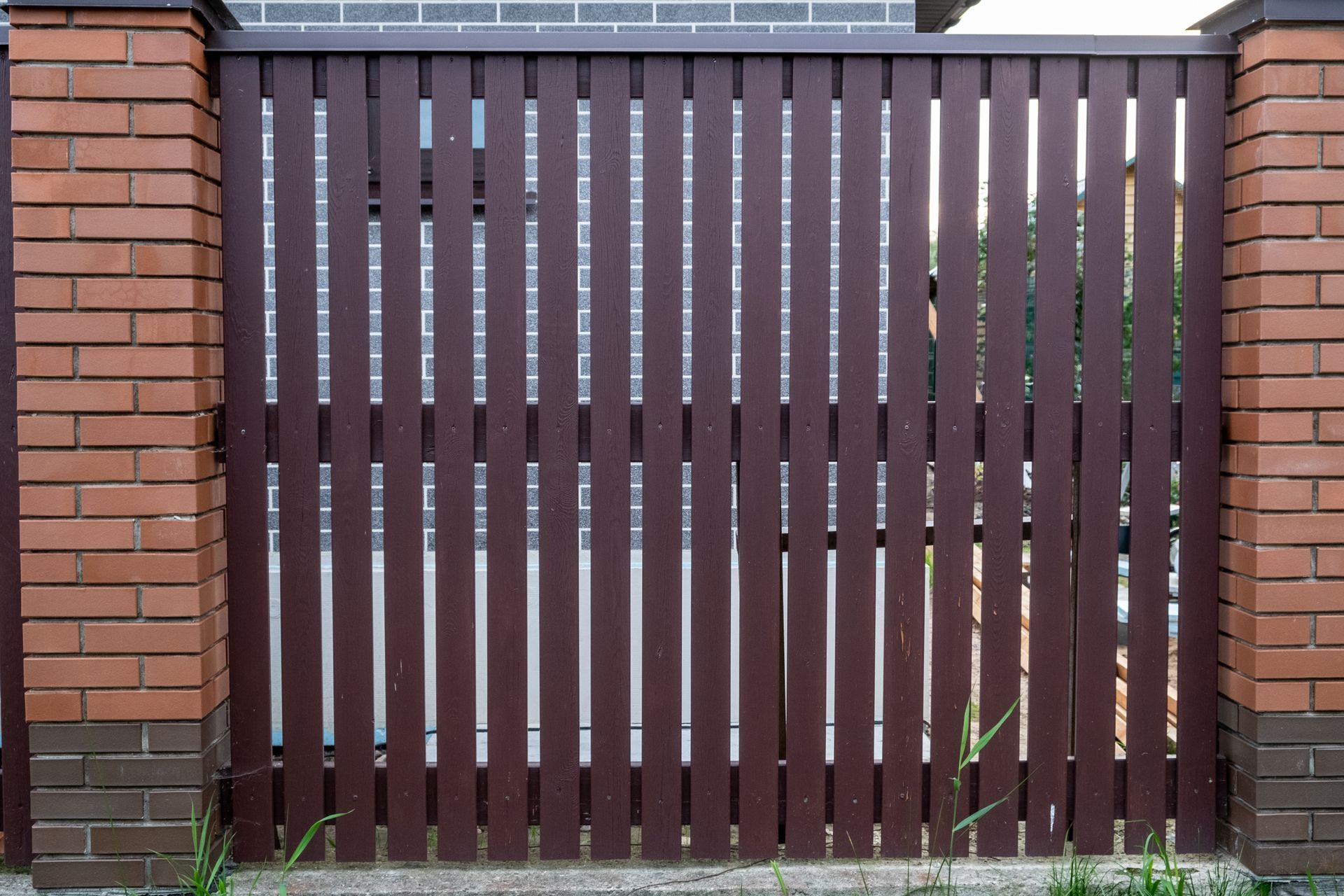
What Changes After Fence Work Completes
Gate repairs restore smooth operation by addressing hinge sag, which occurs when screw attachments loosen in weathered wood or when hinges themselves bend under the gate's weight, and by ensuring latch mechanisms align properly so gates close and secure without forcing. Fence repairs replace individual damaged components rather than entire sections when surrounding structure remains sound, which maintains visual consistency and addresses specific failure points without unnecessary material replacement. Post repairs often require excavating around shifted posts to reset them vertically and add concrete stabilization, since posts set in dirt alone shift gradually as soil erodes and settles.
After work is complete, you will see that gates swing freely through their full range without dragging, latches engage smoothly without wiggling or lifting the gate, fence lines run straight without leaning sections, and replaced boards match existing material in dimension and attachment pattern. The fence regains its intended function as a secure boundary and access control system rather than operating as a partial barrier with gaps and non-functional gates.
Residential fence services cover wood, vinyl, and chain-link repairs and installations for standard yard enclosures, but do not include specialized systems like wrought iron fabrication, masonry block walls, or commercial-grade security fencing that requires dedicated contractors with specific material expertise.
Answers to Frequent Fence Questions
Property owners considering fence and gate work often ask about longevity, maintenance requirements, and what repair options exist for common problems.
What causes fence posts to lean or shift even when originally installed correctly?
Tucson's soil conditions and seasonal moisture changes cause gradual movement as ground expands during monsoons and contracts during dry periods, while posts set without concrete footings shift more readily than those anchored with below-grade concrete collars that extend past the frost line.
How do you match new fence boards to existing weathered wood?
Exact matching proves impossible since wood grays naturally over years of UV exposure, but using the same species and grade ensures similar grain patterns and weathering rates, so new sections eventually blend as they age and the entire fence develops uniform patina.
Why do gate latches stop aligning properly over time?
Gates sag as hinges loosen or bend, changing the arc through which the gate swings and shifting latch hardware out of alignment with strike plates, which requires either resetting hinges to restore original geometry or relocating latches to match the gate's new resting position.
When does a fence need full replacement rather than section repairs?
Replacement becomes necessary when more than forty percent of posts show rot or structural compromise, when panel connections have failed across multiple spans, or when material degradation extends throughout the system rather than concentrating in isolated areas.
What maintenance extends fence life in desert climates?
Applying UV-protective sealant every two to three years significantly slows wood degradation from sun exposure, while ensuring sprinklers do not spray directly onto fence bases prevents the wet-dry cycles that accelerate rot at ground-level boards and posts.
Lending a Hand Handyman LLC evaluates fence and gate systems to identify whether isolated repairs address current problems or whether broader work provides better long-term value. Arrange a consultation to review your fence condition and discuss available options.